
Dental Bridges – Spring Hill, TN
Replace Your Tooth, Improve Your Life!

Tooth loss is a common oral health problem in America – more than 175 million patients are struggling with it! Unfortunately, even just one missing tooth can take a serious toll on your quality of life as well, making it difficult to smile confidently and chew easily. The good news is that you can replace your tooth and improve your day-to-day life in the process with dental bridges. To learn more about this service, you can read on. Or, you can schedule an appointment with one of our talented Spring Hill dentist.
Why Choose Family Dental Associates of Spring Hill for Dental Bridges?
- Team That Always Takes the Time for Personalized Care
- Warm, Friendly Practice with Convenient Hours
- Multiple Financial Solutions, Including Dental Insurance
What is a Dental Bridge?
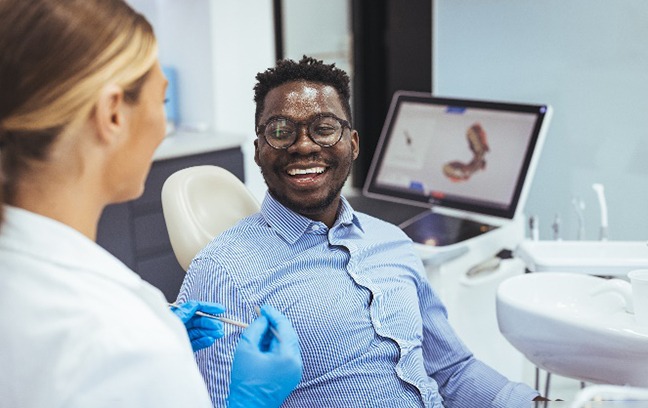
Similar to dentures and dental implants, dental bridges are designed to help patients struggling with tooth loss enjoy a complete, functional, healthy, and beautiful smile once more. With that said, this solution for replacing missing teeth is unique because it’s ideal for patients who are missing one tooth or 2-4 teeth consecutively. To address these issues, dental crowns or implants are placed on both sides and pontics (the replacement tooth or teeth) literally “bridge” the gap.
Types of Dental Bridges
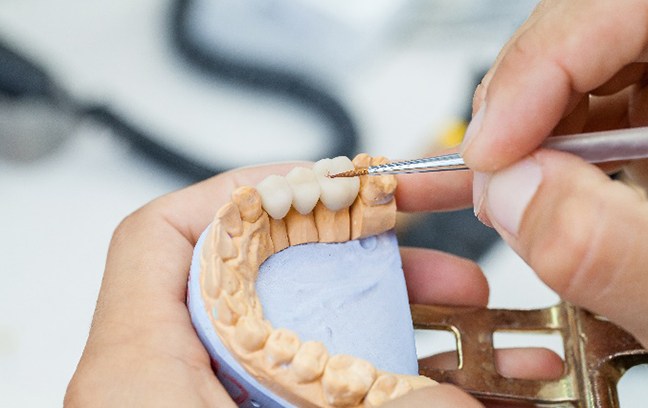
At Family Dental Associates of Spring Hill, patients can address tooth loss head-on with traditional dental bridges or implant bridges. Of course, we will dedicate time during your consultation to discuss each option more in-depth, but you’re also welcome to learn more right here:
Traditional Dental Bridge
As mentioned above, traditional dental bridges can replace one tooth or several teeth in a row. To do so, pontics are attached to two dental crowns, which are placed on each side of the gap. Since we use materials that are as lifelike as they are durable, you can have peace of mind knowing your restoration will look beautiful, function optimally, and last for 10+ years with proper care.
Implant Bridge
Implant bridges, on the other hand, use dental implants instead of dental crowns to support the pontics. This upgrade comes with numerous benefits, including that none of your healthy teeth need to be altered in the process. Furthermore, dental implants have a lifespan of 25+ years with the right best practices in place!
The Benefits of Getting a Dental Bridge

Rebuilding your smile with a dental bridge comes with numerous benefits, like:
- The alignment of your teeth is preserved.
- Your bite is restored, allowing you to eat a varied diet with ease.
- The materials used come in a wide range of lifelike shades.
- No complicated oral hygiene regimens.
- More cost-effective upfront than other tooth-replacement solutions.
Dental Bridges FAQs
Can you take a dental bridge out?
No, you should not be able to remove your dental bridge in Spring Hill by yourself. They were designed to remain securely in place in your mouth for up to 15 years after placement. If you should ever damage your bridge or decide to replace it with a more permanent solution for missing teeth like dental implants, your dentist will need to remove it. This is to protect both your soft tissues and your abutment teeth.
Some healthcare professionals do refer to partial dentures as “removable bridges,” however this is a misnomer. Although partial dentures are similar to dental bridges in that they can replace multiple consecutive teeth on an arch, partial dentures can be removed by the patient as necessary, while dental bridges cannot.
How long should a dental bridge last?
Most dental bridges in Spring Hill last anywhere between five and 15 years depending on a variety of factors including the material they’re made of, where they’re located within the arch (front teeth aren’t subject to as much wear), and how well you take care of your prosthetic and your smile (smoking and poor oral hygiene can shorten their lifespan).
Generally speaking, metal bridges last a bit longer than other materials; however, this isn’t always the case, and the difference is usually minimal.
If you have an implant bridge, your implant posts could last a lifetime with proper oral hygiene, but the prosthetic teeth may need to be replaced in 15 to 20 years.
How many teeth can a dental bridge replace?
Dental bridges in Spring Hill are designed to replace between one and four consecutive missing teeth; however, they work best when replacing only one or two. That’s because the longer the bridge extends, the more likely it is that it will become damaged. Worse yet, if the abutment teeth your prosthetic is attached to aren’t in good condition, they too can become damaged if you’re not careful.
For patients missing more than two consecutive teeth, an implant bridge may be a better option. These prosthetics permanently attach to the jawbone so they don’t require you to alter healthy teeth, and they can withstand much stronger biteforce without incurring damage. For more information about implant bridges, schedule a consultation with Dr. Jewell.
Can dental bridges get cavities?
Because they’re manmade, it is impossible for dental bridges in Spring Hill to develop cavities. However, the abutment teeth they attach to certainly still can. Particles like food debris, bacteria, and plaque can become stuck underneath the pontics or in the spaces where the abutments meet your gums, resulting in oral infection and decay. You can reduce your risk of this occurrence by practicing excellent oral hygiene, including brushing twice a day and flossing daily, especially around and under your dental bridge.
If your dental bridge is older, it may begin exhibiting signs of wear, such as damage to the cement holding it in place. When this happens, bacteria can infiltrate the cracks, causing infection or decay in the abutment teeth. Thus, it is important to visit Dr. Jewell every six months for your regular checkups and cleanings. These appointments will help you stay on top of the health of your teeth, gums, and restorations, so they can be replaced or repaired before they turn into a costly and painful dental emergency!