
Periodontal (Gum) Disease Treatment – Spring Hill, TN
Eliminate the Infection, Preserve Your Gums

Did you know that 80% of adults have some form of gum disease? Not only that, but 70% of tooth loss is attributed to gum disease. That’s why it’s so important to schedule routine dental visits! If we do find an active infection during the exam, fear not – our team at Family Dental Associates of Spring Hill is here to help. So, give us a call if you’re overdue for an appointment. You can also read on if you want to learn more about gum disease treatment in Spring Hill.
Why Choose Family Dental Associates of Spring Hill for Periodontal (Gum) Disease Treatment?
- Focused on Comfort and Personalized Care
- Multiple Options for Antibiotic Therapy
- Warm and Friendly Dental Environment
What is Gum Disease?

Gum disease is exactly what it sounds like – a chronic disease that affects the gum tissue. It’s caused by a buildup of plaque and bacteria in the mouth, and, once it takes hold, it can be very difficult to control. Not only that, but the infection has been linked to such systemic illnesses as heart disease, diabetes, and low birth-weight babies. In fact, people with unregulated gum disease are TWICE as likely to develop heart disease. That’s why it’s so important to schedule routine visits and get in touch with us sooner if any warning signs of trouble arise.
Symptoms of Gum Disease

Are your gums red or swollen? Do they feel tender or bleed whenever you brush or floss your teeth? If so, you may already have gum disease. The best thing to do in this case is to contact our office. After all, the earlier we catch the infection, the easier it will be to treat!
How Do We Treat Gum Disease?

If found and treated in the early stages, gum disease can be thwarted before it gets out of control. Most often, scaling, root planing, and antibiotic therapy during a “deep cleaning” appointment will effectively eliminate the infection. From there, we can monitor your gums at three-month recall visits until your gums return to their optimal health.
Scaling & Root Planing
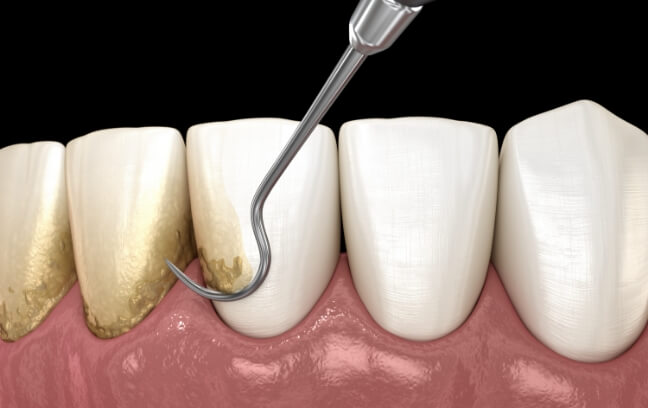
Scaling and root planing are parts of the two-step deep cleaning process that we use to get rid of the bacteria that’s causing inflammation and bleeding of the gums. Scaling is when we remove any plaque and tartar from around and beneath the gum line, whereas root planing is the process of smoothing out the roots of the teeth. That second step is important because bacteria can’t accumulate as easily on a smooth tooth root.
Antibiotic Treatment
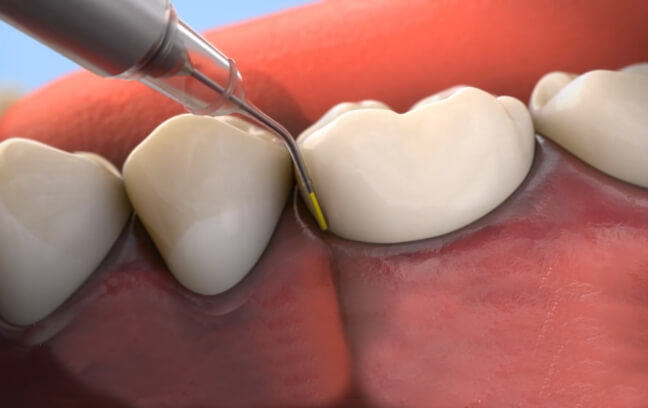
During your periodontal appointment, we’ll strive to remove as much harmful bacteria as possible, but there will likely still be some left in the hard-to-reach areas of your mouth. As such, we often prescribe antibiotic therapy to ensure we completely eliminate any infection. Depending on your situation, we might either prescribe Arestin (which is placed in the pockets between your teeth and gums) or Doxycycline (which is typically swallowed).
If you have any questions for us about gum disease treatment or what measures you can take to protect your smile, don’t hesitate to get in touch with a friendly and helpful member of our team!
Gum Disease Treatment FAQs
What Is the Difference Between Plaque & Tartar
Plaque is a sticky, colorless film that forms on the teeth. The bacteria that live in plaque secretes acid that cause tooth decay and irritate the gum tissue. This can eventually lead to gingivitis and progress into gum disease. However, when the plaque isn’t removed regularly by regular brushing and flossing, it hardens to create tartar, sometimes referred to as calculus. This substance cannot be removed with a toothbrush and needs to be removed by a dental professional. To prevent this from occurring, it is important to maintain an excellent oral hygiene routine.
Can I Prevent Gum Disease at Home?
The best way to prevent periodontal disease is to take excellent care of your teeth and gums at home. This includes brushing your teeth after each meal and before you go to sleep. You should also floss at least once per day. See your dentist every siz months for routine cleanings and checkups or more frequently if recommended for previous periodontal issues. By taking a few steps each day, you can keep your gums and the rest of your smile in good shape.
Is Gum Disease Related to Other Diseases?
Research has shown that gum disease may be connected to several systemic health conditions. Studies suggest links between periodontal disease and issues such as cardiovascular disease, diabetes, respiratory infections, and even complications during pregnancy. Many researchers believe inflammation plays a major role in this relationship. When harmful bacteria and infection are present in the mouth, they can potentially affect other areas of the body and weaken the immune system’s ability to protect itself. Maintaining healthy gums through good oral hygiene and regular dental visits can support not only your oral health, but also your overall wellness and long-term health.
Is Gum Disease Contagious?
Gum disease is caused by an inflammatory reaction beneath the gums, so it is not considered contagious in the same way as illnesses like the common cold or flu. However, the harmful bacteria that contribute to gum disease can spread through saliva. Because of this, close contact with someone who has gum disease may increase your exposure to those bacteria. Sharing items such as toothbrushes, eating utensils, straws, or other oral health tools can allow bacteria to transfer from one mouth to another. Practicing good oral hygiene and avoiding sharing these items can help reduce your risk of developing gum disease.