
Wisdom Teeth Extractions – Spring Hill, TN
Removing Your Impacted or Troublesome Wisdom Teeth

Your third molars, more commonly known as the “wisdom teeth,” often need to be extracted because the modern human jaw simply is too small to accommodate them. This can cause the teeth to become impacted and infected, and this can lead to a variety of dental problems such as crowding, misalignment, as well as chronic pain. We can extract your wisdom teeth right here in our office, and we’ll make sure to keep an eye on them during your routine checkups so we can remove them before they start being a problem.
Why Choose Family Dental Associates of Spring Hill for Wisdom Teeth Extractions?
- Multiple Forms of Dental Sedation
- Thorough, Caring Dental Team
- Relaxing Office with Convenient Hours
When is a Wisdom Tooth Extraction Necessary?

Wisdom teeth can lead to several short and long-term complications, which is why roughly 90% of Americans need to have theirs removed. Here are a few of the reasons we may recommend having yours extracted:
- There isn’t enough room in your mouth, which can create bite issues
- The teeth become partially or fully impacted (trapped within the gums and jawbone)
- Possibility of cysts forming
- Upper-arch wisdom teeth could cause sinus pain and congestion
- Increased risk of cavities and gum disease.
Wisdom Tooth Extraction Process

If your X-rays show that your oral health may be at risk due to your wisdom teeth, then we will move forward with the procedure. While there are some cases where we will refer you to a specialist, our dentist in Spring Hill can typically help patients get the high-quality treatment they need in-house. If the tooth in question is visible, then we will gently rock it out of its socket to remove it. However, if one or more of your teeth are underneath the gums, we will make a small incision before dividing it into smaller pieces for removal. Either way, we will numb the area completely beforehand to ensure your complete comfort throughout the entire procedure.
Whether you’ve been struggling with wisdom tooth pain for years or their emergence is relatively new, our team is here to help restore your pain-free smile! To learn more about the procedure, contact our office today.
Wisdom Tooth Extraction After-Care
Understanding the Cost of Wisdom Tooth Extractions

Once you’ve determine that wisdom tooth extraction is indeed the best option for your oral health, the next thing you’ll probably be thinking about is the cost. The cost of wisdom tooth extraction can vary depending on several factors, but don’t worry. Our team will discuss the details with you thoroughly before proceeding with your emergency treatment. We’ll also go over your financial options and dental insurance benefits.
Factors That Can Impact the Cost of Wisdom Tooth Extractions

Factors that can impact the cost of wisdom tooth extractions include:
- The number of wisdom teeth that need to be removed. There are some cases where not every wisdom tooth needs to be extracted, and others where the patient only has one or two to begin with!
- The type of dental sedation used. If you’d like dental sedation, keep in mind that nitrous oxide and oral conscious each have their own separate price points.
- Whether you’ll need a surgical or simple extraction. Surgical extractions are more complex and sometimes require the services of a specialist.
Does Dental Insurance Cover Wisdom Tooth Extractions?
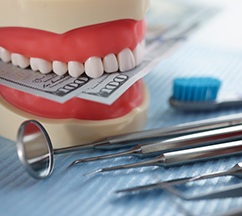
Dental insurance usually does cover some of the costs associated with wisdom tooth extraction. However, the exact amount of coverage will ultimately depend on the specifics of your policy. Some provide more coverage than others, and you may need to meet a deductible or waiting period before your benefits will “kick in.”
We understand that dental insurance can be confusing, so please don’t hesitate to let us know if you need help navigating your benefits.
How to Make Wisdom Tooth Extractions More Affordable

If you don’t have dental insurance, you might be interested in CareCredit financing. CareCredit is a reputable third-party financier, and has many monthly payment plans that can break your expenses down into more manageable chunks. We find that our patients are usually able to qualify and find plans with little-to-no interest.
Wisdom Tooth Extraction FAQs
How Long Does the Wisdom Tooth Extraction Procedure Take?
The length of time necessary for the procedure will depend on your circumstances. A simple extraction of a tooth that has already erupted goes much faster than a surgical one. Also, some patients need all four wisdom teeth extracted while others may be fine with just one or two. We can give you a better time estimate after we’ve examined and properly diagnosed your situation. Just keep in mind that you should take at least one whole day off work or school to have this procedure done and another for resting and healing.
How Long Will Recovery After Wisdom Tooth Extraction Take?
Whether you have your wisdom tooth extractions in Spring Hill from the surface or surgically, you need to plan for a little bit of recovery time. At minimum, you need to rest for a couple of days, refrain from smoking or using a straw for at least 48 hours, and avoid hard or crunchy foods. The site must heal with a blood clot over it, and these things can prematurely dislodge the clot, creating the perfect setting for an infection to come along. We will provide all the aftercare instructions you need to follow to heal as efficiently as possible with less risk of complications.
Does Everyone Need to Have Wisdom Teeth Removed?
No, some people do not develop wisdom teeth at all, but others can have all four of their wisdom teeth. Plus, in some situations, a person’s mouth can fit these extra teeth without harming the others, so extraction isn’t required. As long as you continue to come for your checkups and cleanings, we can keep an eye out for signs that wisdom teeth could cause trouble in the future.
When Is the Ideal Time to Have Wisdom Teeth Removed?
Although you can have wisdom teeth removed after the age of 25, these third molars typically develop in the jawbone between the ages of 16 into early adulthood. During this time, it’s essential that you get X-rays at your checkups for us to monitor your teeth’s progress. By that point, we can usually tell if wisdom teeth will present a problem for your smile and often recommend extraction to prevent damage and pain. When your wisdom teeth are addressed during this ideal time, we can help guide your oral development and reduce this specific “growing pain” of becoming an adult.